EN MS
Elirox — AI Forex Trading Bot

Trading Psychology: The Complete Guide

Two traders can use the exact same strategy, the exact same entry signals, the exact same risk rules — and get completely different results over a year of trading. The difference is almost never the strategy. It's trading psychology: how each of them actually behaves when a trade is open, a loss is mounting, or a winning streak is tempting them to take on more risk than planned.

This guide covers what trading psychology is, the core emotions and biases every trader deals with, how discipline and mindset differ, and the practical techniques that turn psychology from a liability into an edge.
Trading Psychology: The Complete Guide

What Is Trading Psychology?

Trading psychology is everything that happens in a trader’s head between spotting a setup and closing the trade. It’s made up of five key parts:
Emotions
Fear, greed, and excitement show up the moment real money is on the line. They shape what a trader enters, when they exit, and whether they stay calm under pressure.
Biases
Mental shortcuts that distort judgment — seeing what you want to see, holding losers too long, or trusting a gut feeling over the plan.
Behavioral patterns
The habits a trader repeats, good or bad: sticking to the plan, or abandoning it after a loss or a winning streak.
Discipline
A strategy only produces the results it’s capable of if it’s executed consistently. That’s why two traders with identical rules can end the year with very different account balances.
Pressure
In forex, the market runs 24 hours a day, leverage is often higher than in stocks, and prices react fast to news. Less time to think means every emotional decision costs more.

The Core Emotions That Drive Trading Decisions

Almost every psychological mistake in trading traces back to one of five patterns.
Fear

Fear shows up as hesitating on valid setups, closing winners too early, or widening a stop to avoid taking a loss. It stems from loss aversion: people feel a loss about twice as strongly as an equal gain, which is why “just moving the stop a little” feels so tempting.
Greed

Greed drives oversized positions, moving take-profit targets further away mid-trade, and holding winners too long "for a bit more." It's the mirror image of fear — both distort a trader away from the plan they built in a calm, rational moment.
Overconfidence

A winning streak can be as dangerous as a losing one. Overconfidence pushes traders to increase size or frequency well beyond their plan, assuming a "hot hand" will continue — statistically, the same recency bias as revenge trading, just with a positive framing.
FOMO (Fear of Missing Out)

FOMO leads to entering trades without a valid setup, simply because the market is moving and it feels like an opportunity is slipping away. These entries typically skip the risk-management steps that would normally apply.
Revenge Trading

After a loss, the instinct to "win it back" fast is one of the most destructive patterns in trading. It typically means increasing position size, skipping the setup criteria, or re-entering the same trade immediately after being stopped out.


Fear Greed Overconfidence FOMO (Fear of Missing Out) Revenge Trading

Trading Mindset vs. Trading Discipline

These two ideas get used interchangeably, but they describe different things.
AI Trading Bot by Elirox — Automate Any Market
Trading mindset
How you think about risk, loss, and uncertainty in general — your baseline relationship with probability. A healthy trading mindset treats any single trade as one data point in a large sample, not a referendum on skill.
Trading Psychology: The Complete Guide
Trading discipline
The behavioral side: whether you actually follow your own rules when that mindset gets tested in real time, under real pressure.
Understanding probability doesn’t guarantee the discipline to act on it, so “just think positive” rarely fixes broken risk management. Emotional discipline is a skill built through repetition, and only consistency, trade after trade, lets an edge show up in results.

How to Master Trading Psychology: Practical Techniques

Trading psychology isn't improved by willpower alone. It's improved by building a system that removes as many decisions as possible from the emotional moment and moves them into the planning stage, before a trade is ever live.
Step 1
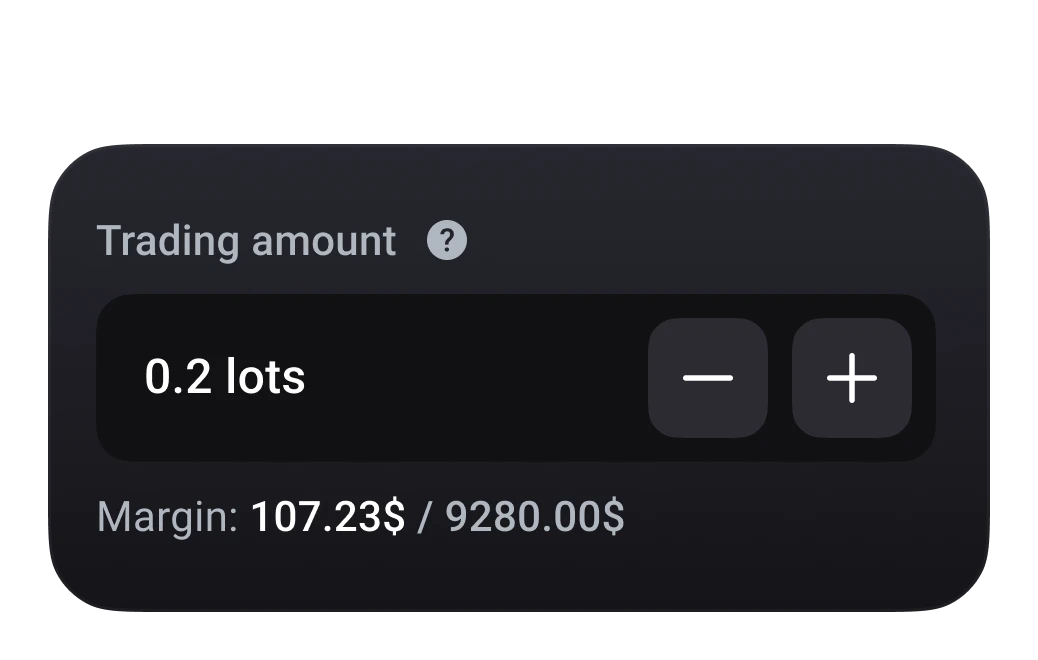
Fix your risk per trade in advance
A common benchmark is 1–2% of your account per trade, set before the session, not adjusted after the last trade.
Trading Psychology: The Complete Guide
Step 2
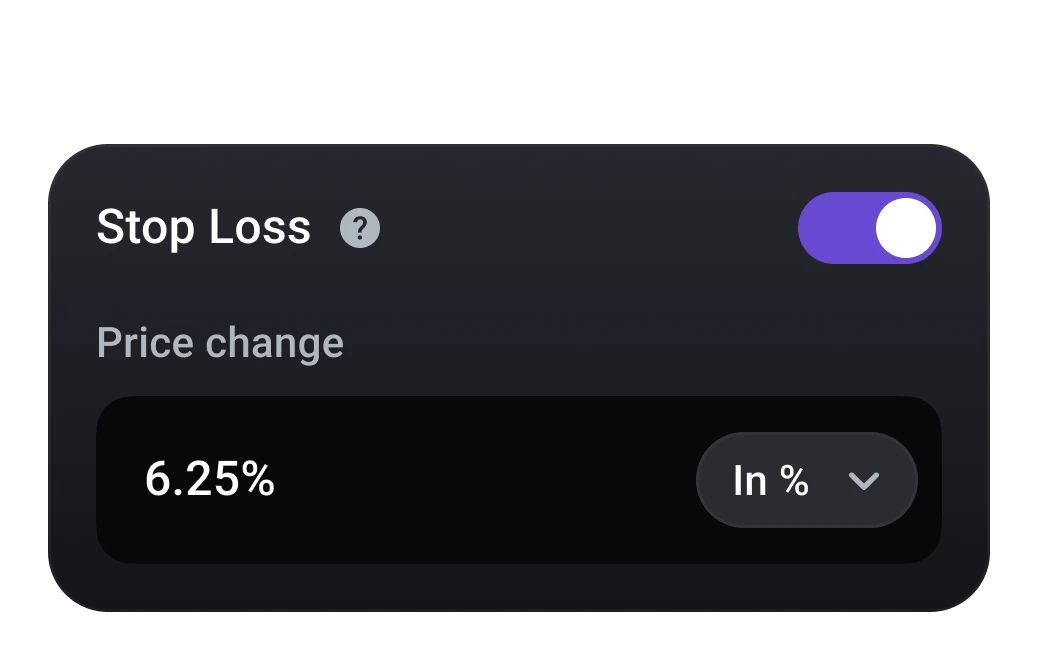
Use hard stop-losses, not mental ones
A stop in your head is just a suggestion. One placed in the platform removes the decision entirely.
Trading Psychology: The Complete Guide
Step 3
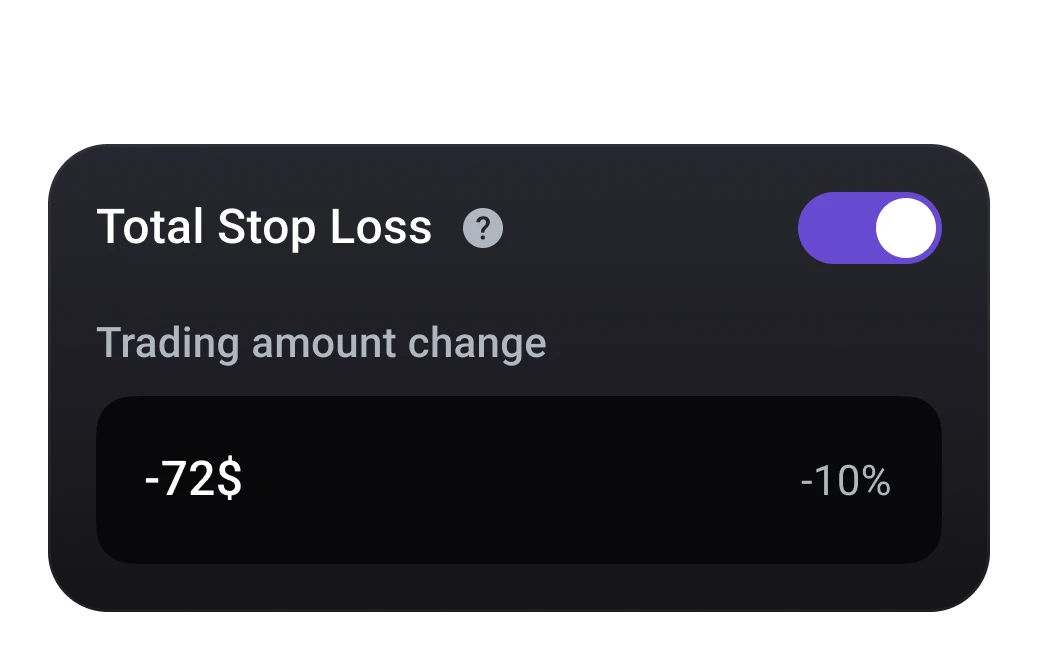
Set a daily or weekly loss limit
Decide in advance when you stop trading. Hitting the limit means the system is working, not failing.
Trading Psychology: The Complete Guide
Step 4
Keep a trading journal
Log each trade’s setup, outcome, and emotions to turn “I need more discipline” into a specific pattern you can fix.
Trading Psychology: The Complete Guide
Step 5
Review your process, not just your P&L
A rule-following loss is a success; a rule-breaking win is luck. Judging only outcomes rewards the wrong habits.
Trading Psychology: The Complete Guide
Step 6
Separate position size from conviction
Feeling confident isn’t a risk input. Your rules set the size, not your gut.
AI Trading Bot for Beginners

Trade Major and Minor Currencies

Our currency trading platform gives you access to a wide selection of trading pairs. With Elirox, you can choose the pairs that fit your strategy and automate your trades with ease
Trading Psychology: The Complete Guide
Mark Douglas
Trading in the Zone
The most cited trading psychology book. Douglas argues that consistent profits come from thinking in probabilities, treating each trade as one of many rather than something to be “right” about.
Trading Psychology: The Complete Guide
Brett Steenbarger
The Psychology of Trading
Written by a practicing psychologist who worked directly with trading firms — more clinical in approach, useful for traders who want the behavioral-science grounding behind the advice.
Trading Psychology: The Complete Guide
Mark Douglas
The Disciplined Trader
An earlier, more foundational work from the same author, focused on why traders repeat the same mistakes even when they intellectually know better.
These won't replace a risk management plan, but they explain why the plan has to be followed mechanically rather than "when it feels right" — which is often the missing piece for traders who already know the rules but still break them.

Frequently Asked Questions

It's the set of emotions and behavioral patterns — fear, greed, overconfidence, FOMO, frustration — that influence whether a trader follows or abandons their own trading plan once real money is at risk.

There's no single fix, but the consistent pattern across experienced traders is building a system that removes emotional decisions from the moment: fixed position sizing, hard stop-losses placed in advance, a daily loss limit, and a trading journal used to review process rather than only outcomes.

Mark Douglas's Trading in the Zone is the most widely cited, focused on thinking in probabilities instead of certainties. Brett Steenbarger's work is a good complement for a more clinical, behavioral-science angle.

This is extremely common and isn't a sign you lack discipline in general — it's usually a sign the rules aren't specific or automatic enough yet. Rules that depend on an in-the-moment decision (like a mental stop-loss) get overridden far more often than rules that are mechanical (like one placed directly in the platform).

They're not really separable. A strategy only produces the results it's statistically capable of if it's followed consistently — and that consistency is exactly what trading psychology determines. A mediocre strategy followed with discipline will usually outperform a great strategy followed inconsistently.

Risk Disclaimer

Trading forex and CFDs involves substantial risk of loss and is not suitable for all investors. Past performance is not indicative of future results. The information in this guide is educational and does not constitute financial advice or a guarantee of trading outcomes.
Elirox — AI Forex Trading Bot
Build Discipline Before You Risk Real Capital
Everything in this guide — position sizing, stop-losses, journaling your trades — is easiest to practice on a free demo account, with live market conditions and zero pressure.
AI Forex Trading Bot | Automated Trading Platform | Elirox
Download Elirox on Google PlayDownload Elirox on the App Store
The website elirox.com and Mobile application are owned and operated by ELIROX LLC. The company Elirox LLC is registered under registration Number: 3582, with the registered company address at Suite 305, Griffith Corporate Centre, Beachmont, Kingstown, Saint Vincent and the Grenadines. The commercial name of the company is “Elirox”. The services offered by this Website and Mobile application can be executed only by fully competent adults.
Elirox — AI Forex Trading Bot
Download the Elirox app
Download Elirox on Google PlayDownload Elirox on the App Store
EN MS
EN ID
EN ID
EN ID