Fear shows up as hesitating on valid setups, closing winners too early, or widening a stop to avoid taking a loss. It stems from loss aversion: people feel a loss about twice as strongly as an equal gain, which is why “just moving the stop a little” feels so tempting.
Greed drives oversized positions, moving take-profit targets further away mid-trade, and holding winners too long "for a bit more." It's the mirror image of fear — both distort a trader away from the plan they built in a calm, rational moment.
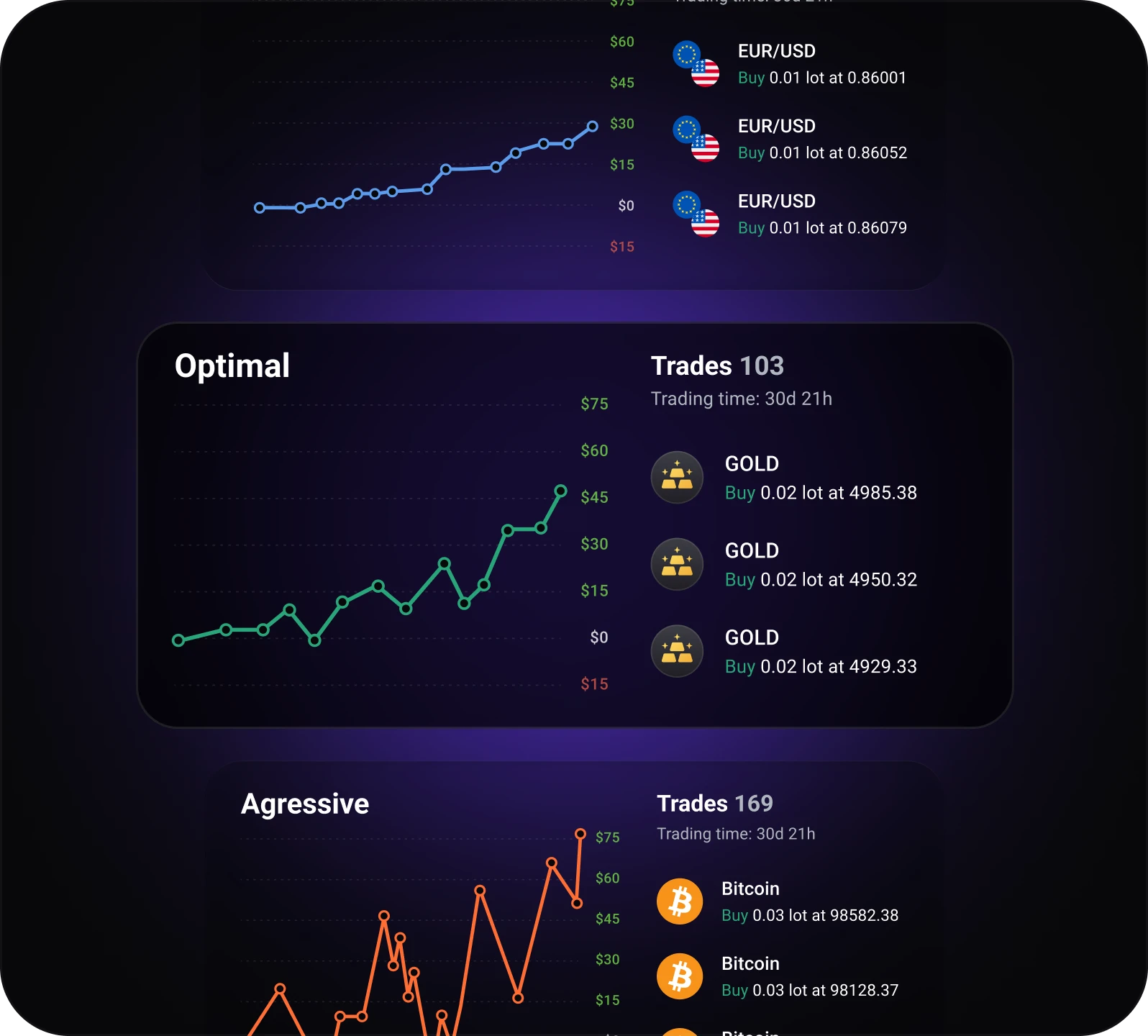
A winning streak can be as dangerous as a losing one. Overconfidence pushes traders to increase size or frequency well beyond their plan, assuming a "hot hand" will continue — statistically, the same recency bias as revenge trading, just with a positive framing.
FOMO leads to entering trades without a valid setup, simply because the market is moving and it feels like an opportunity is slipping away. These entries typically skip the risk-management steps that would normally apply.
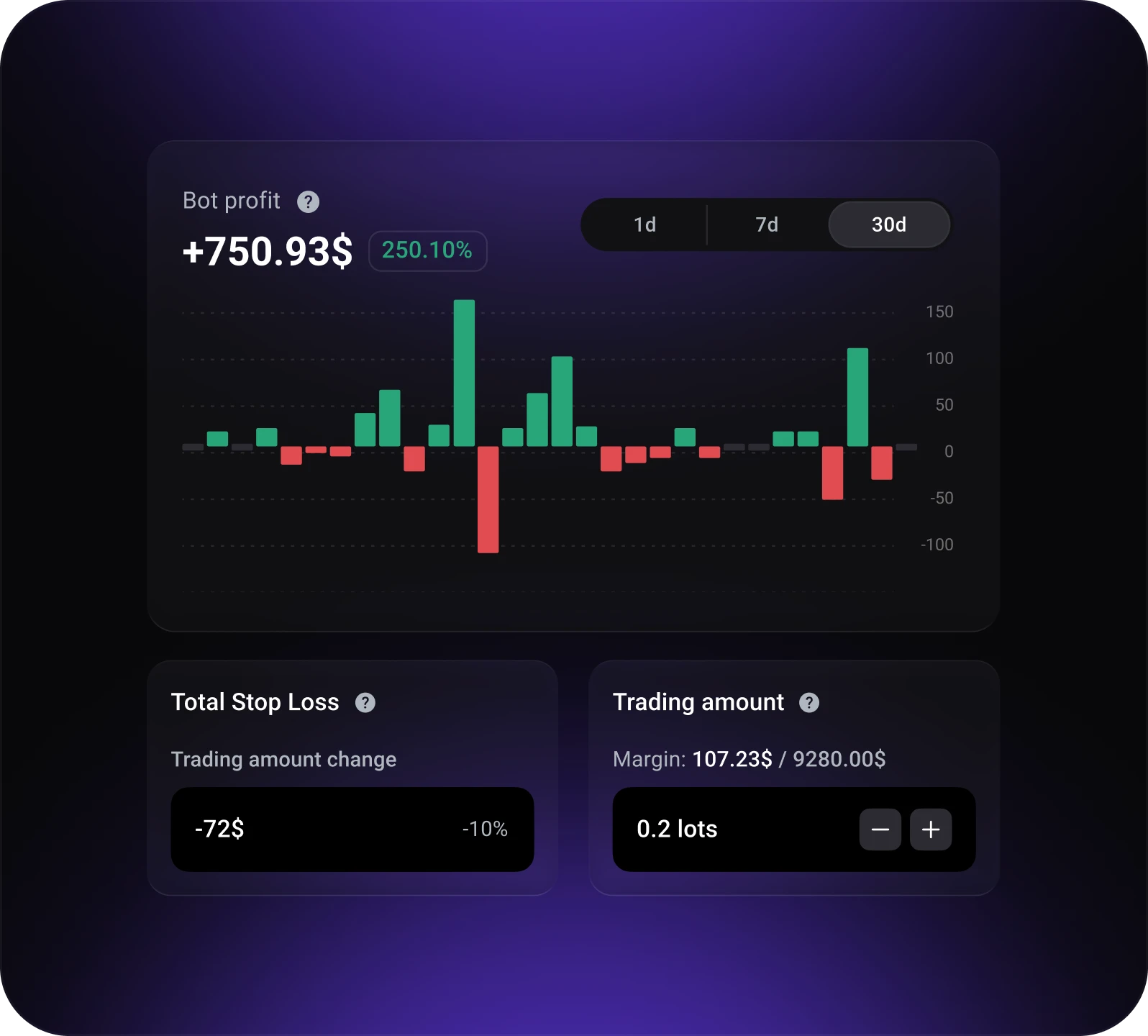
After a loss, the instinct to "win it back" fast is one of the most destructive patterns in trading. It typically means increasing position size, skipping the setup criteria, or re-entering the same trade immediately after being stopped out.